Granite is one of the hardest and most durable building stones. It has been used as
a building material for major edifices throughout history, including the Roman Pantheon. Similar
to lava, granite is an igneous rock that begins as liquid magma deep within the earth. In many
cases, granite originates from the underside of continents or pieces of ocean crust that are melted
by intense heat. The extreme pressure in the center of the earth compresses the liquid magma,
creating a very dense material with minimal pores. These characteristics make
granite’s surface tough and almost impenetrable. Granite emerges at the surface of the earth after
eons of natural erosion has removed the overlying layers of older rock. Most granite appears where
deeply buried rocks are brought to the surface by movements of the earth’s
crust.
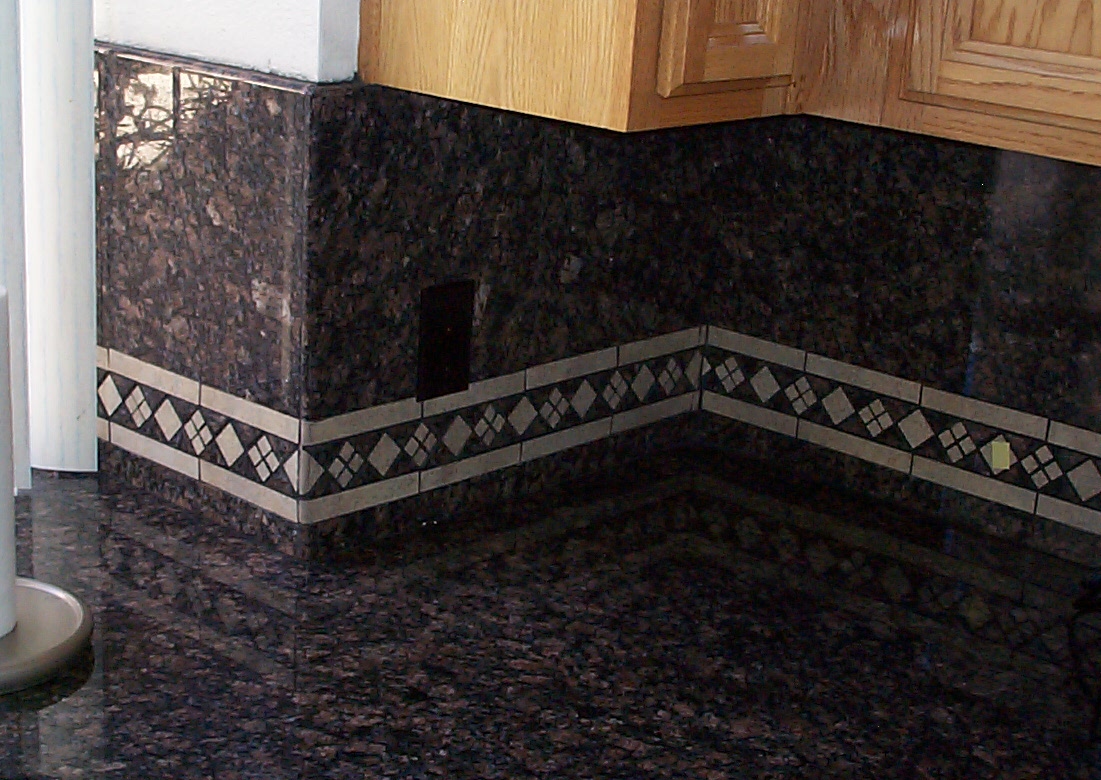
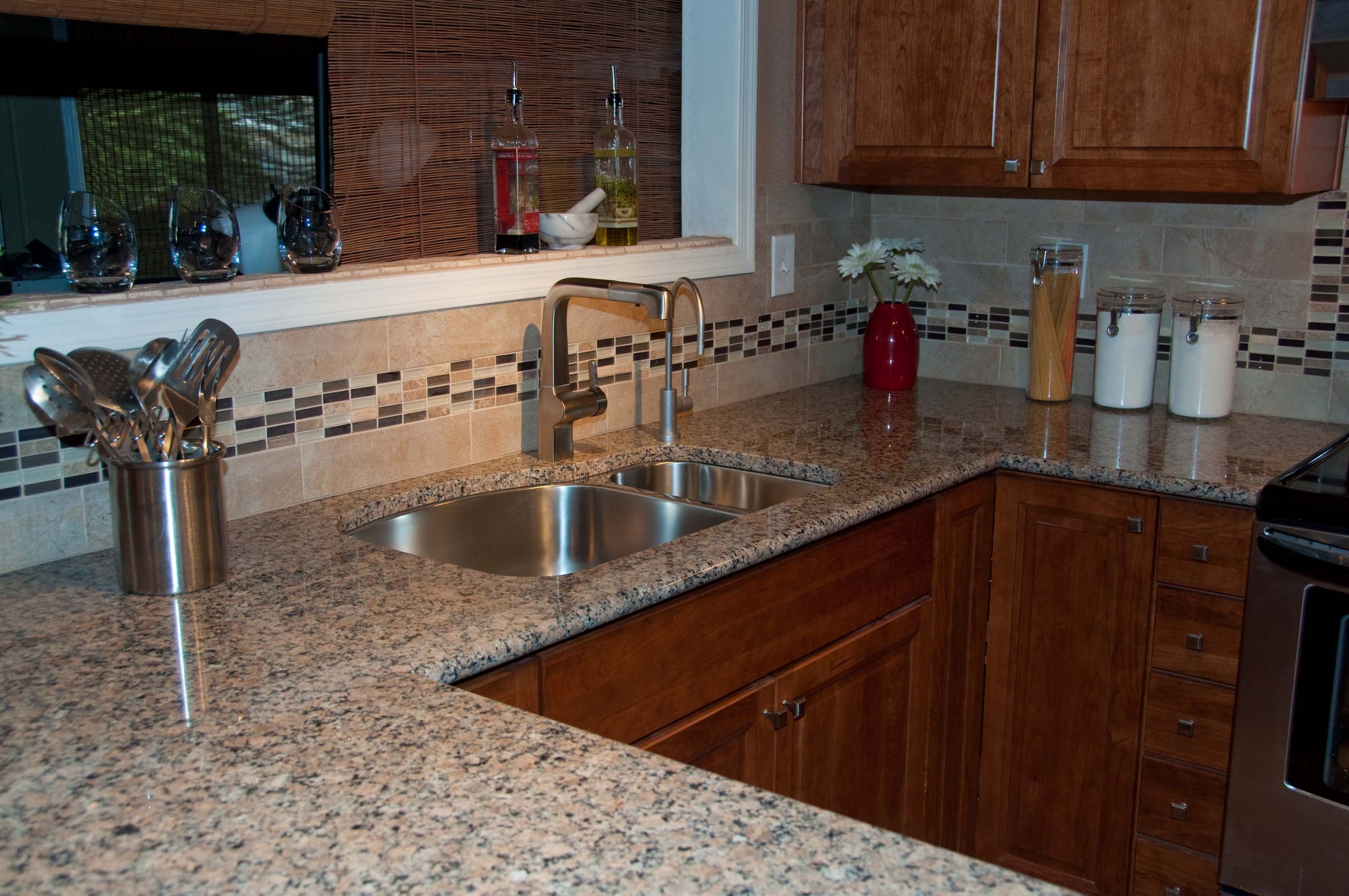
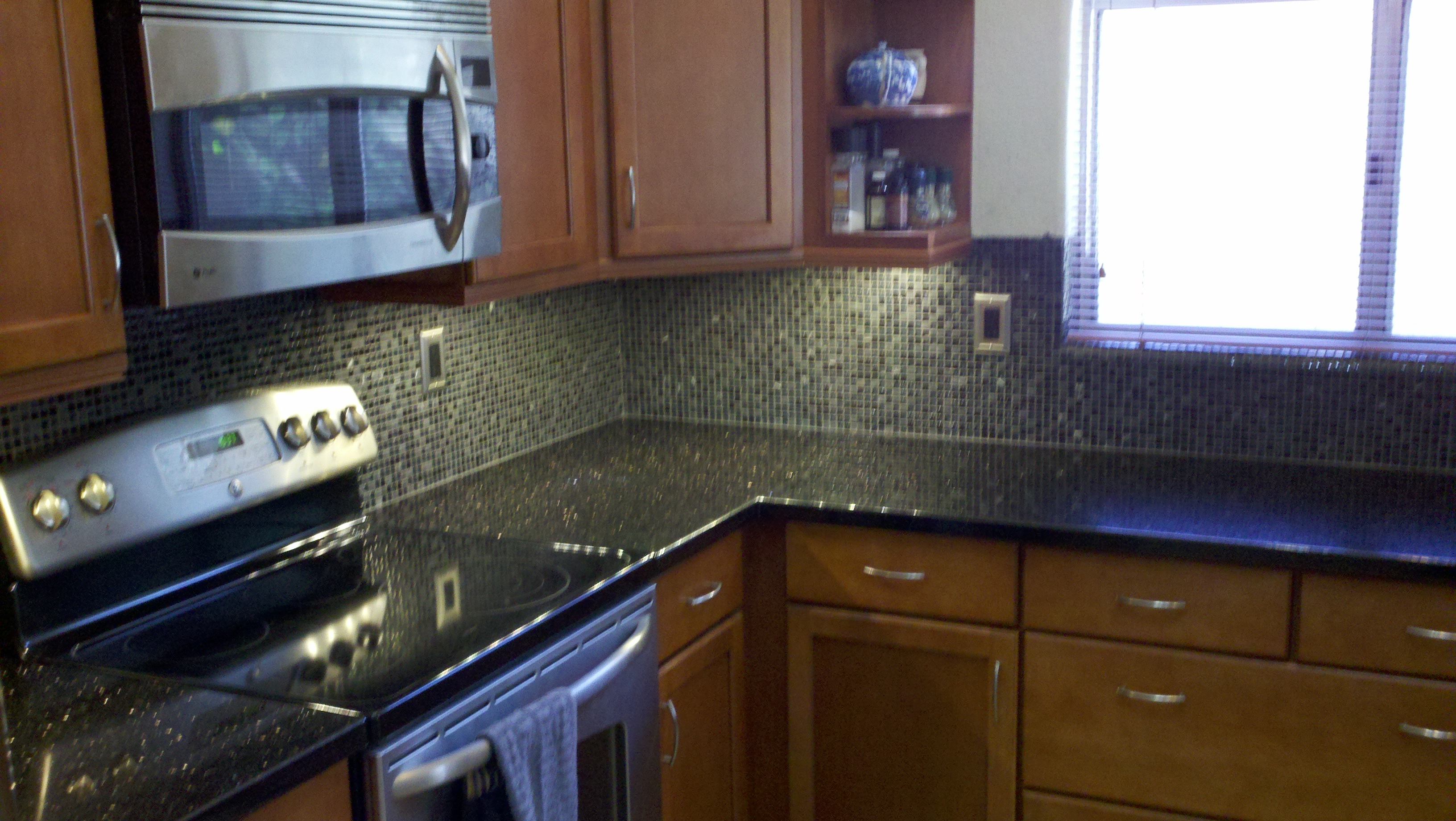
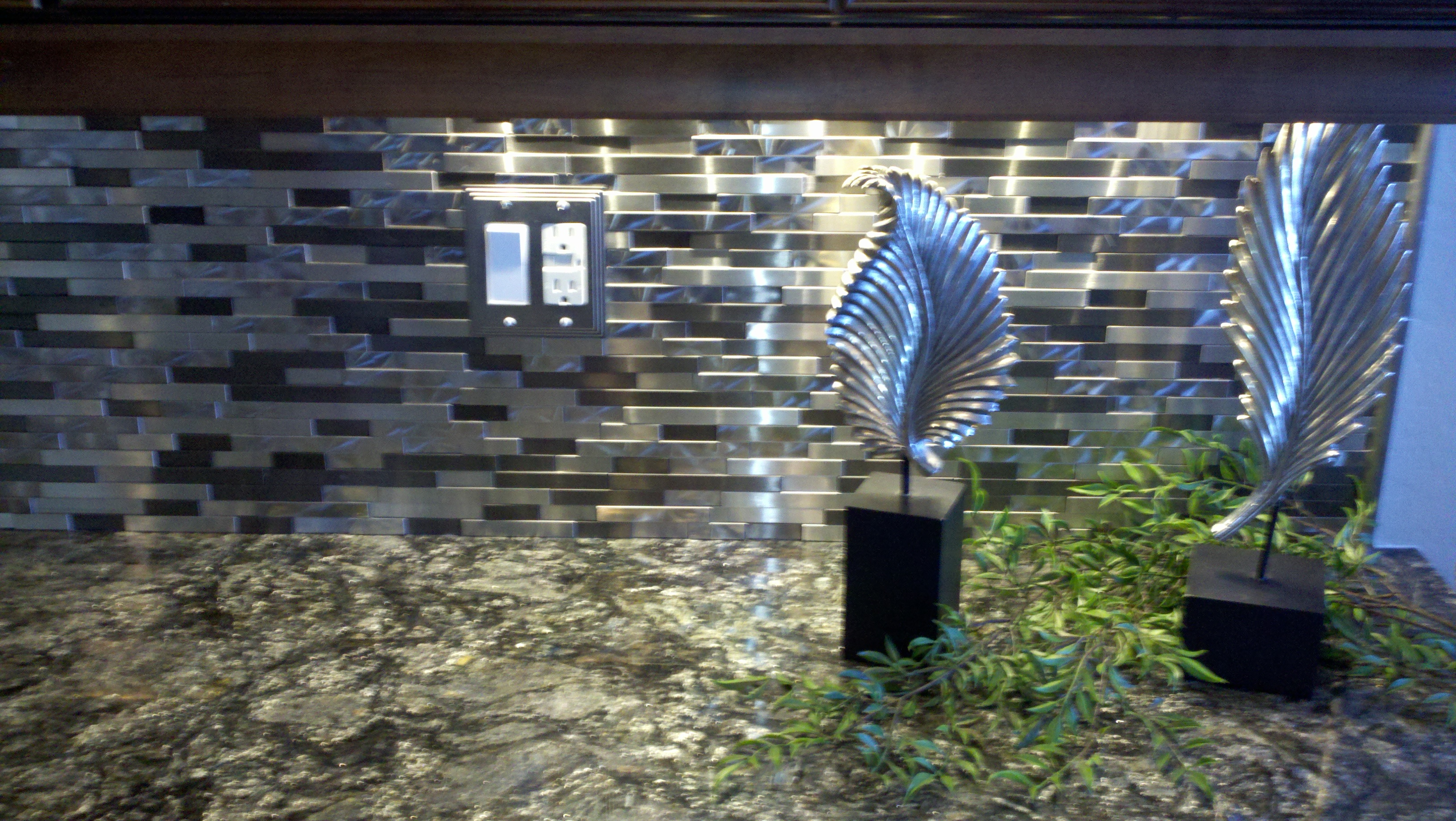
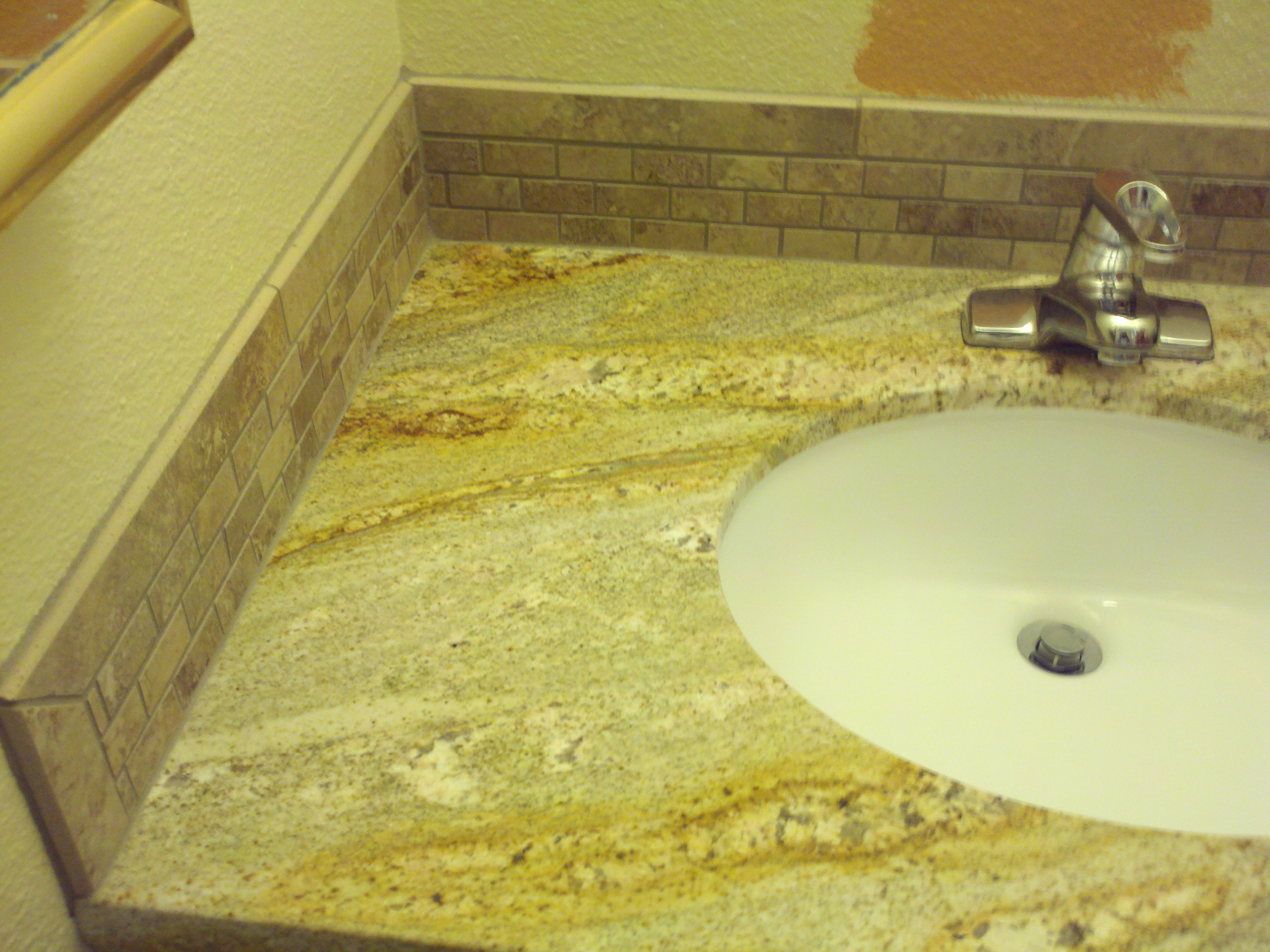
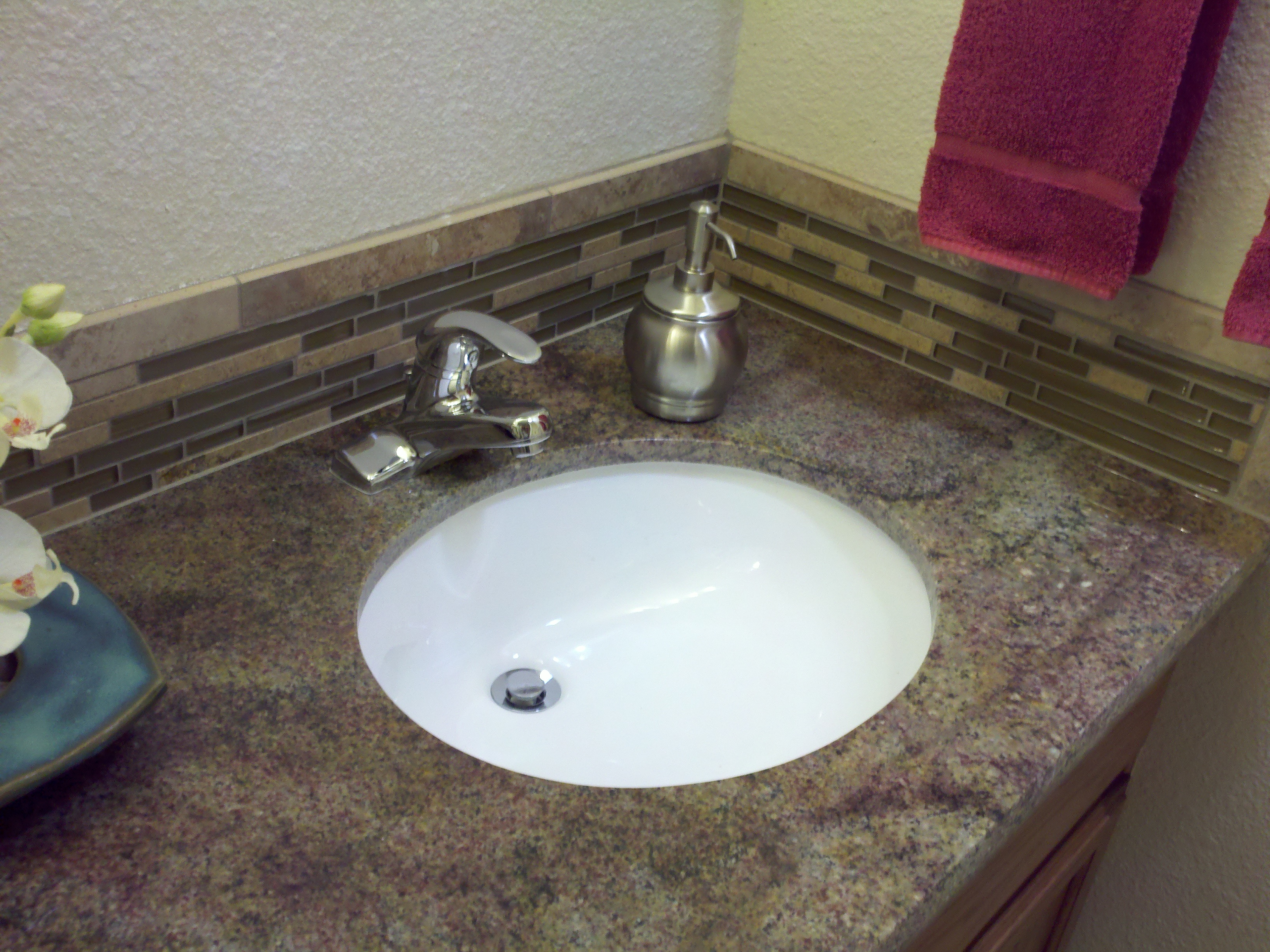
Eye-catching and functional, granite is a speckled stone that ranges in color from absolute
black to white – and every color in between. The natural color variations result from a
mixture of minerals, including common materials found in ceramic or porcelain, like feldspar, quartz
and mica. Natural irregularities in the interlocked minerals create a beautiful array of kaleidoscopic
patterns.
Uses
• Interior and exterior
• Floors and walls
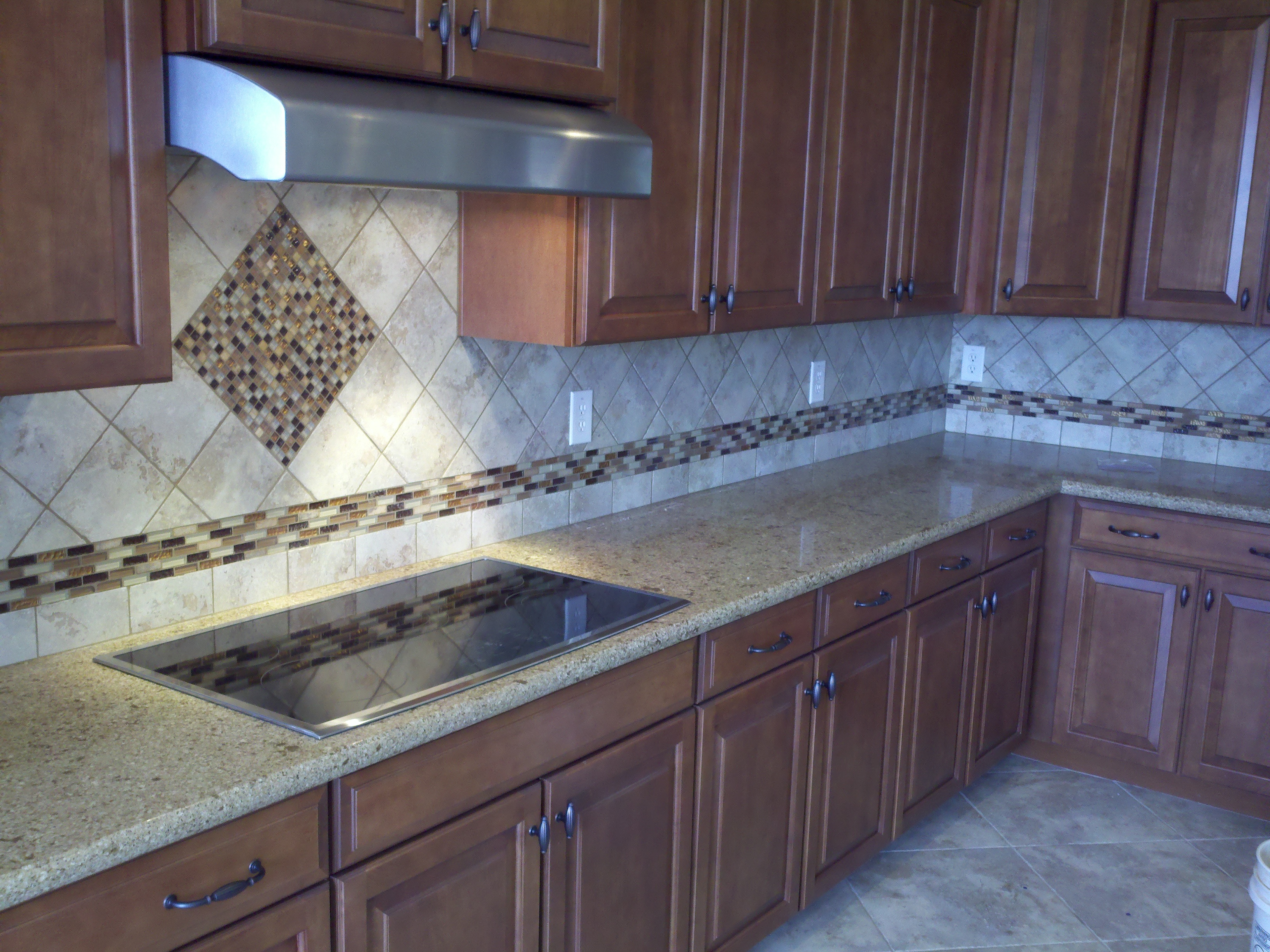
• Interior counter tops
• Exterior building facades
Types
• Polished: During production, a facet is put on each crystal at a microscopic level– much as a
jeweler would facet a diamond. The resulting smooth surface allows light to refract in and out
of the stone in a parallel way. This enhances the visible sheen and gives the appearance of depth.
• Honed: A smooth, non-reflective finish achieved by using acid to grind the surface (available
by special order only).
• Flamed (thermal): A rough surface created by applying a direct flame source, such as a
blowtorch, and burning off portions of the surface minerals.
Special Considerations
• Color variations enhance the natural beauty of the stone. Inspect multiple samples before
selection to ensure satisfaction with colors and patterns.
Maintenance
• Do clean with a dust mop and neutral cleaner to remove most dirt.
• Do use a penetrating sealer to prevent staining. Because many stones are porous to some
degree, excessive water may cause reactions such as oxidation (rust), spalling, deterioration of
dry veins, etc. “Special Impregnating” sealers are recommended to avoid these problems.
• Do clean natural stones with “special stone cleaners”, “pH balanced cleaners” or “neutral
base cleaners.”
• Do not clean any natural stone with acidic cleaners, including (but not limited to) vinegar or
cleaners with “lemon” or “lime” on the label. These products will abrade the polish from the
stone. Sealers DO NOT protect polished surfaces from these types of cleaners.
|
|